.png)
Mid-summer is when small pool problems become expensive fast. Use this Delaware pool inspection checklist to catch equipment, water chemistry, safety, and leak issues before they interrupt the season.

Jul 29, 2026
By the middle of summer, your pool has already been through a lot. Heat, storms, heavy use, sunscreen, pollen, leaves, and changing water chemistry all put pressure on the system. A pool that looked great in May can start showing problems by July if small issues go unnoticed.
That is why mid-summer is one of the best times for a practical pool inspection. You do not have to wait for a major breakdown. A focused inspection can catch equipment strain, water balance problems, safety concerns, and early leak signs before they interrupt the season.
Central Delaware pools face a specific combination of summer conditions. Hot afternoons can burn off sanitizer quickly. Thunderstorms can dilute chemicals and wash debris into the pool. Heavy weekend use can push filtration and water balance harder than normal. If the pool is already on the edge, these conditions can turn a minor issue into cloudy water, algae, equipment damage, or an unsafe swimming environment.
A mid-summer inspection gives homeowners a clear snapshot of the pool while it is under real seasonal load. That is more useful than only checking the pool when it is closed or freshly opened.
Clear water is not the only sign of a healthy pool, but it is still an important first clue. Stand at the shallow end and look toward the main drain, steps, and corners. The water should be clear enough to see the bottom easily.
Then watch how water moves through the pool. Weak return flow, dead spots, floating debris, or air bubbles can point to circulation problems. Poor circulation makes chemicals less effective and gives algae more opportunity to grow.
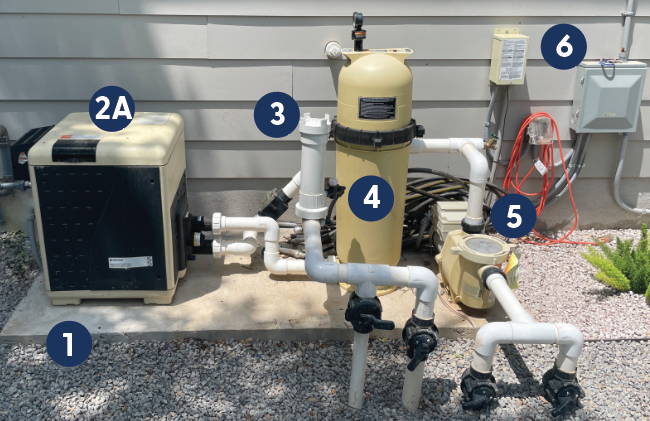
The equipment pad is where many expensive pool problems start. Pumps, filters, heaters, valves, and automation systems work hard during peak swim season. Small leaks or pressure changes can be early warnings that something needs service.
Look for water around the pump or filter, cracked fittings, loose unions, unusual vibration, rust, or signs that electrical boxes have been exposed to standing water. If the pressure gauge is much higher or lower than normal, the filter or circulation system may need attention.

Not every drop in water level means there is a leak. Evaporation, splash-out, and backwashing can all lower the pool. But if the pool consistently loses more water than expected, it is worth investigating.
Common warning signs include wet spots around the pool, air in the pump basket, cracks around fittings, loose tile, a constantly running auto-fill, or water loss that continues even when the pool is not being used. Leak issues can become more obvious during the middle of summer because the system is running more often.
If you are buying or selling a home with a pool, this is especially important. Our guide on why a pool inspection should come before buying a home in Delaware explains why clear water alone is not enough.
Mid-summer water chemistry can shift fast. High heat, sunlight, rain, and swimmer load all affect sanitizer demand and pH balance. Waiting until the pool turns cloudy usually means the problem has already grown.
At minimum, Delaware homeowners should pay attention to:
The CDC provides pool chemical safety guidance for anyone handling chemicals at home. If you are unsure what your readings mean, professional testing is safer than guessing.
Pool safety is not a one-time spring task. Gates, latches, ladders, rails, drain covers, lighting, alarms, and covers should be checked throughout the season. Heavy use and summer storms can loosen hardware or create hazards around the pool deck.
Walk the perimeter and look for anything that could create a risk. Gates should close and latch properly. Ladders and rails should feel secure. Covers should not be torn or sagging. Furniture, toys, and storage bins should not make fencing easier to climb.
For a deeper safety review, see our pool safety guide for Delaware families.
If your pool keeps getting cloudy after treatment, the issue may be filtration instead of chemistry. A dirty filter, worn cartridge, channeling sand filter, or poor run time can keep the pool from clearing even when chemicals are added correctly.
Mid-summer is a smart time to review whether the pool is being cleaned and filtered enough for actual use. A pool that gets used daily may need more attention than one used only on weekends.
Small problems are cheaper when they are caught early. A loose fitting, noisy pump, worn seal, stuck valve, weak heater, or cracked lid can turn into a larger service call if ignored through the busiest part of the season.
Our article on common problems pool inspectors find covers several issues that homeowners often miss until repair costs grow.
You should consider scheduling a pool inspection if the water will not stay clear, the equipment sounds different, the water level keeps changing, the pool has been through heavy storms, or you are preparing to buy or sell a home with a pool.
A professional inspection gives you a clearer answer than guessing from symptoms. Family Pool Maintenance can assess visible structure, equipment, circulation, chemistry, safety features, and recommended next steps.
If your pool is working harder than usual this summer, now is the time to catch problems before they disrupt the season. Family Pool Maintenance serves Dover, Smyrna, Milford, Harrington, Camden, Middletown, and surrounding Central Delaware communities.
Need a pool inspection or service visit? Call 302-270-3700 or schedule pool inspection service online. We will help you understand what is happening and keep your pool on track.