.png)
Pool losing water before winter? Learn how to compare evaporation and possible leaks, what to check, and when to request pool service in Central Delaware.

Sep 17, 2026
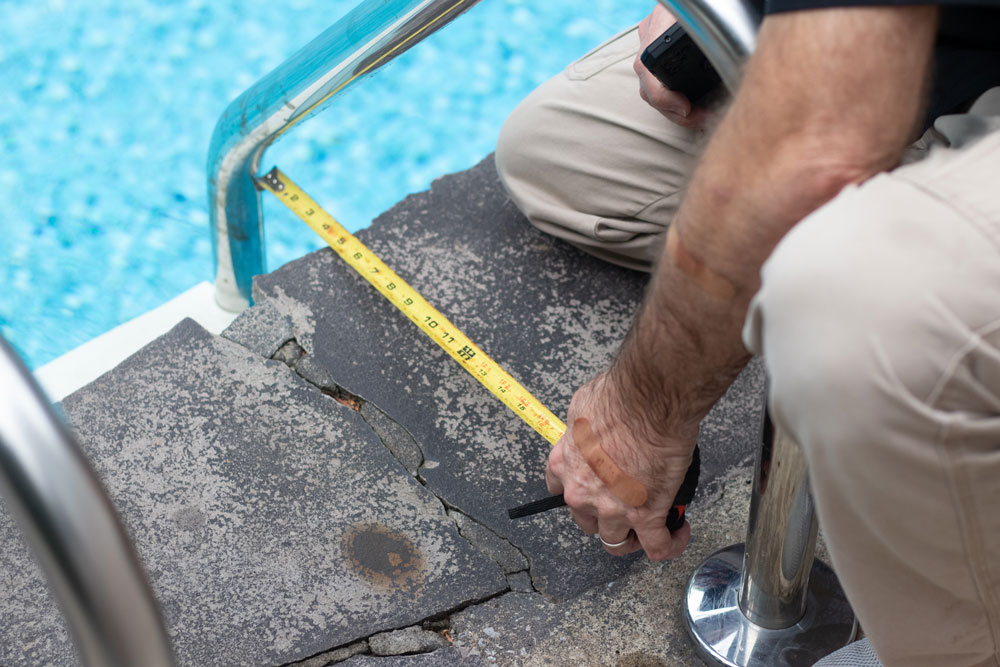
If you are topping off your pool more often as closing season approaches, find out where the water is going before the cover goes on. Evaporation, splashing, filter backwashing, and leaks can all lower the waterline. A falling level alone does not tell you which one is responsible.
For pool owners in Dover, Smyrna, Milford, and nearby Central Delaware communities, a few observations can make a service visit more useful. Start with what changed, compare water loss under consistent conditions, and ask for help when the loss is unexplained.
Quick answer: If your pool loses noticeably more water than a bucket exposed to similar conditions over the same 24 hours, a leak may be present. The comparison is a screening check, not a diagnosis of the leak's location.
Before assuming you have a plumbing problem, look back at the last few days. Was there a busy swimming weekend? Was the filter backwashed? Did a water feature run longer than usual? Did the automatic fill stop working? Record these changes so ordinary water use does not get mistaken for a new leak.
Weather matters too. Wind, humidity, water temperature, and whether the pool is covered affect evaporation. There is no single daily water-loss number that proves every Delaware pool is leaking. Anderson Manufacturing's pool evaporation guidance explains why conditions need to be considered.
From the deck, look for persistent wet areas near accessible plumbing, equipment, and the pool edge. Photograph anything unusual. A wet patch immediately after rain is less useful than one that remains through dry weather.
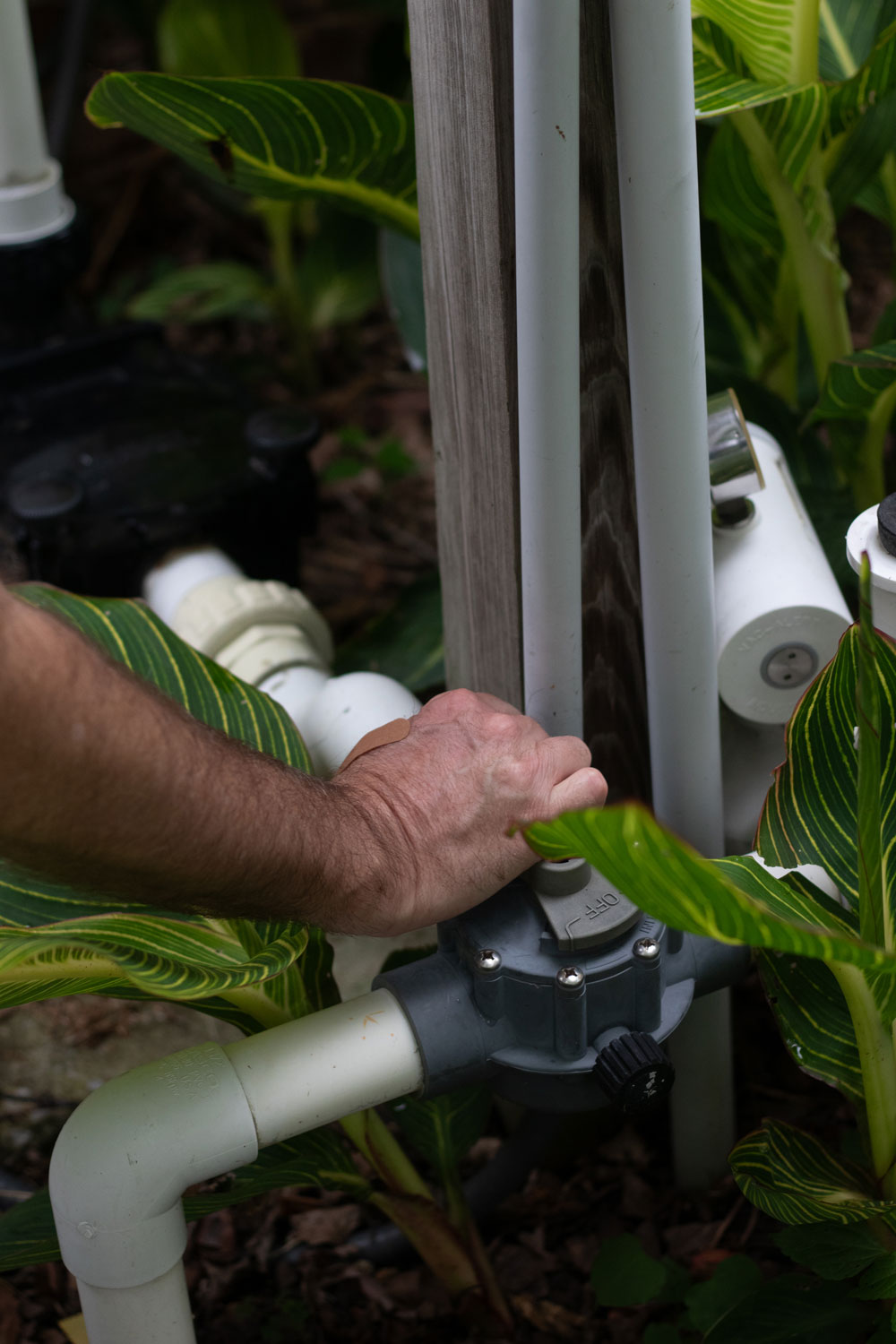
A cracked deck, loose fitting, or damp area deserves attention, but none proves where water is escaping. Avoid opening equipment or adjusting unfamiliar valves just to investigate. FPM offers individual pool services, including equipment repair, when an observation needs a closer look.
For an open, operating pool with a stable, safely accessible step, a bucket comparison can help separate evaporation from other losses. Pentair's water-conservation guide describes this check:
Rain, splashing, an unstable bucket, or a refill can spoil the comparison. Repeat it under suitable conditions if that happens. Keep the pool secured against access by children and pets, supervise the setup, and empty and remove the bucket afterward.
If the pool drops more: Share the measurements with your pool professional. If the drops are similar: Evaporation may explain the loss during that test, but continue monitoring if the refill problem persists. The test does not locate a leak or rule out an intermittent problem.
Do not wait through a 24-hour comparison if the water level is falling rapidly, the pump is drawing air, or water is approaching electrical equipment. Stop using affected equipment when it is safe to do so and contact a qualified professional. Do not run a pump without an adequate water supply.
Also call if you cannot safely reach a step, the pool is already winterized, or you are unsure how the fill and circulation controls work. Do not drain the pool, remove drain covers, or attempt a pressure test to search for a leak yourself.
A closing appointment is the time to tell the technician about unusual refilling, even if the water looks clear. Ask whether the loss needs investigation before winterization and what water level your specific pool and cover require. Do not assume that closing the pool will correct an unresolved leak.
Use our guide to when to close a pool in Central Delaware to plan the timing, and review FPM's opening and closing services for the next step.
You do not need to identify the failed part before contacting us. Include your address, pool type, when the loss started, recent refills or backwashing, any bucket-test measurements, and clear photos of visible concerns. Mention your planned closing date so we can discuss the sequence of work.
Family Pool Maintenance lists leak analysis among its pool services in Central Delaware. For unexplained water loss, request service online or call 302-270-3700. Describe what you have noticed, and we can discuss the next step for your pool.