Rain pooling on your winter pool cover? Learn what Delaware homeowners should check, when a cover pump can cause trouble, and when to call for service.

Oct 29, 2026
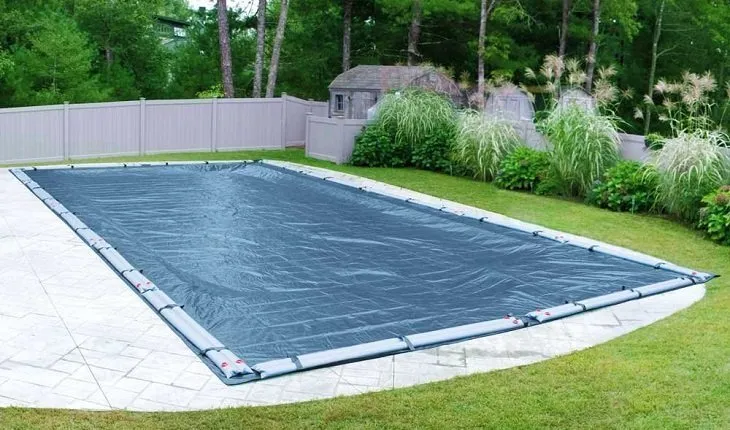
The rain has stopped, but there is still a puddle on your winter pool cover. Should you pump it off, wait for it to drain, or call for service? The answer starts with the kind of cover you have, not a one-size-fits-all winter maintenance rule.
For homeowners in Dover, Smyrna, Milford, and nearby Central Delaware communities, a quick check after rain can help identify a change before it becomes a bigger problem. Start from the deck, keep children and pets away, and avoid adjusting equipment until you know what your cover requires.
The short answer: Follow the instructions for your specific cover and any cover pump. Do not walk onto the cover, cut a drainage hole, or start draining the pool because rainwater is sitting on top.
Look for the manufacturer and model on your paperwork or ask the company that closed the pool. A solid winter cover, a mesh safety cover, and an automatic cover do not share the same maintenance instructions. A cover's appearance alone also does not tell you whether it is safety-rated.
If you have an automatic cover or an above-ground pool, use its own owner's manual. Advice intended for a different cover system may not apply.
You do not need to diagnose the problem yourself. Record what you can see safely from the deck and compare it with the cover's normal condition:
Take a photo from the same spot each time and note when the rain ended. That gives your service technician useful context without guessing at a repair. Leave removal of heavy or out-of-reach debris to someone equipped to handle it safely.
A cover pump can sometimes remove more than rainwater. LOOP-LOC's care instructions warn that when certain solid covers contact the pool water, water can seep through seams and be pumped away. Monitor the actual pool level as directed by your cover manufacturer.
If the level appears to drop while pumping, or the cover keeps sagging, contact your service provider. Do not compensate by repeatedly adding or removing water without understanding what is happening.
A damaged cord, repeated electrical trip, or frozen pump is a reason to stop troubleshooting and seek qualified help. Do not reach into water to handle energized equipment.
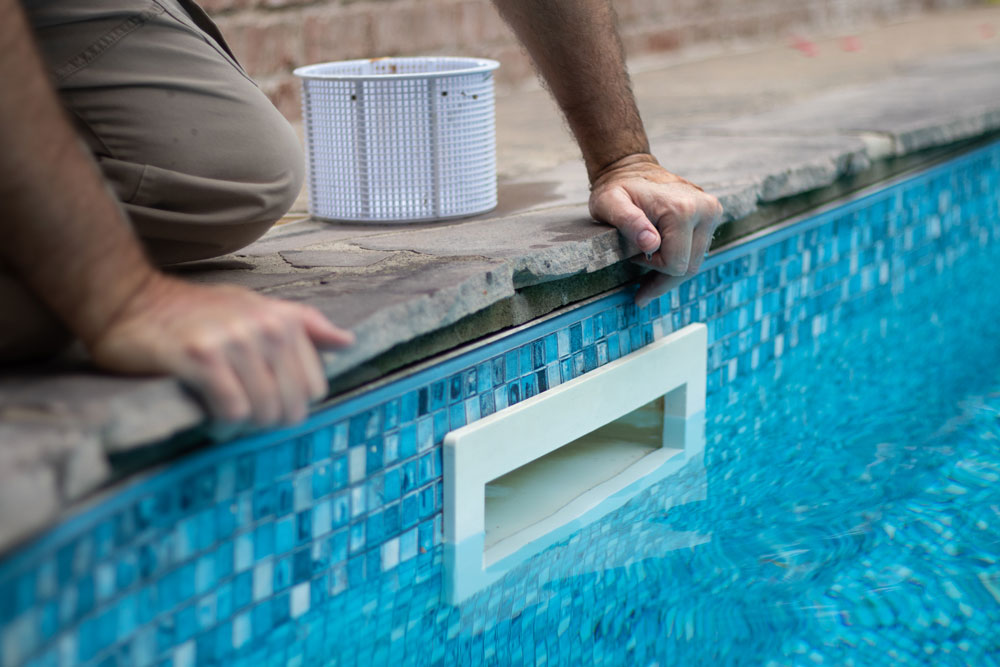
The water level planned at closing is specific to your pool and cover. There is no single measurement below the skimmer that works for every setup. Ask your technician how to check the level safely and when a change needs attention.
Do not restart winterized filtration equipment or loosen the cover's fasteners just to deal with rainwater. If the level was already falling before the storm, share that history. Our fall pool water-loss checklist covers observations that can help the service team investigate.
Worsening sagging, damaged attachments, a new tear, or recurring ponding after the cover should have drained are reasons to contact a professional. Send the cover brand, a few photos, your closing date, and a description of any pump behavior. Ask whether the cover needs an assessment or replacement; FPM can discuss pool cover installation options.
Keep the pool enclosure secured while waiting. A cover does not replace supervision or other barriers. The CPSC's Pool Safely tips explain the importance of fencing, self-closing gates, and multiple layers of protection.
Not sure what your covered pool needs between closing and spring? Explore Family Pool Maintenance's winter pool services, then send a service inquiry or call 302-270-3700. Include your location, cover type, and what changed after the rain so we can discuss the right next step.