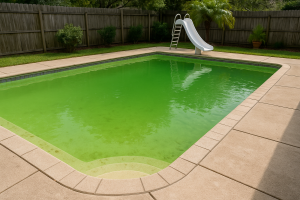
Is my salt chlorine generator producing enough chlorine?
When it comes to maintaining that sparkling clear water in your saltwater pool, chlorine levels are the first and most important thing to consider. A salt chlorine generator will convert salt into chlorine, and this chlorine is much less harsh than traditional chlorine. However, balancing your chlorine means balancing the salt in your water. In some cases, your salt chlorine generator won’t produce enough chlorine or function properly.
Here are a few things to consider when you start investigating your chlorine generator’s performance.
How long is your salt chlorine generator running each day?
If you are using the pool for a number of hours in the day and only running the generator for a few hours overnight, it’s likely that you just need to run the generator longer. Depending on the size of your pool a chlorine generator needs to run 8-12 hours a day. Taking into account the use, the environmental factors, and the size of the pump, your running time may need to be increased. Manufacturers recommend running the pump during the peak hours of the day since this is when pool users will introduce the most bacteria into the pool.
Check the Salt Chlorine Generator Flow
A generator can sometimes produce a reading of “No Flow” or “Low Flow.” In these cases, it’s likely there’s some malfunction in the pump itself. If a no flow reading is showing, water isn’t circulating into the cell, and you need to see if the flow switch is properly functioning. Water could still be flowing, but chlorine production isn’t happening because of the faulty switch.
Additionally, checking the pump and valves will show you if there are leaks present, where water may be escaping, or if air could be getting into the system. Leaks can result in faulty readings and high amounts of air in the system will degrade the chlorine production of your cell. Leaks and air presence will affect the psi reading on your tank as well, and with some inspection of the pump and its pressure, you can be sure that your system is running properly.
Check the Filter Efficiency or Cell Life Indicator
If your pump and valves are in working order and you don’t see any pressure changes at the tank, it may be that your filter itself is not working. When the filter is worn out or has become covered with calcium buildup, the chlorine levels can fluctuate significantly. Similarly, the cell indicator can also become calcified, ruining the chlorine content in your pool. The shelf life of these items can run 3 to 5 years, so knowing when the useful life of your filter and cell are nearing their end of life is a helpful way to diagnose issues.
Clean the Cell
If you suspect your cell has become degraded, there are a number of ways you can clean it before having to replace it. After turning the system off and uncoupling the valves, you can remove the tube with the cell, and inspect the interior plates. Running some acid solution through the cell can remove the caking on the plates, but as with any project that involves the use of acid, it’s advisable to consult your local pool professional on the how-to or whether to.
Checking these two items can help you diagnose issues at the equipment pad that could be robbing your pool of the chlorine it needs to remain safe and clear.
Ensure Your Pool Conditioner is Working
The sun’s UV rays eat away at the chlorine level in the pool, and stabilizers are used to help keep the chlorine from degrading by bonding at the molecular level, extending the chlorine’s life. In some cases, you could add too much stabilizer to your pool making the entire pool too acidic to actually swim in or clean itself. Taking a water sample from your pool to your local professional for a reading will give you an idea if it’s in high or low condition. Your local pool pros at Family Pool Maintenance will give you a maintenance plan that meets your pool’s requirements.
Of course, saltwater pools will have different conditioner requirements compared to freshwater pools, so make sure you’re not adding in too much or too little conditioner.
Knowing how much stabilizer to use requires an understanding of the chlorine levels in your pool and the total gallons of water in it. You should also note if it is a year-round pool and how much sunlight the pool gets each day. These types of questions can be quickly answered by engaging the professionals at Family Pool Maintenance.
Maintaining an adequate chemical balance in the pool can be a task, and professional maintenance scheduling and plans will help keep you in the pool longer this summer. Take the guesswork out of your chlorine level routine this year and give the team a call at 302-270-3700.